Lower Body Hypertrophy Workout - 30min Beginner
This beginner friendly lower body session targets your quads, glutes, and hamstrings using a classic hypertrophy approach. By utilizing handle based movements, you will build a solid foundation of strength while stimulating muscle growth through controlled volume. You will move through foundational patterns like squats and hinges to ensure a balanced and effective leg day.
Perfect for beginners looking to increase leg size and strength or runners who need a straightforward lower body resistance routine. This is also ideal for users who prefer the versatility of handles over the bar for ease of setup.
Equipment
Workout Plan
Rest 90 seconds between heavy compound sets (Squats, Deadlifts) and 60 seconds between isolation movements.
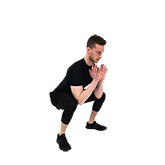
Goblet Squat
Glutes, Quads, Abs
Use the smart handle buttons to engage the weight only once you are in a solid squat stance.
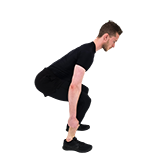
Neutral Grip Deadlift
Hamstrings, Glutes, Abs
Drive your feet into the floor to activate the digital weight as you stand up tall.
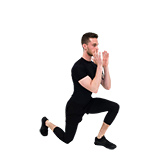
Goblet Reverse Lunge
Quads, Glutes, Hamstrings
Keep the cables close to your body to maintain a steady center of gravity during each step back.
RDL
Glutes, Hamstrings, Back
Focus on a slow three second descent to maximize the eccentric tension provided by Tonal.
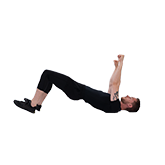
Resisted Glute Bridge
Glutes, Abs, Hamstrings
Press your hips up against the cable tension and hold for one second at the top of the bridge.
Resisted Calf Raise
Calves
Use the full range of motion by pausing at the peak of the contraction under the digital load.
Why this order
We start with the Goblet Squat and Neutral Grip Deadlift to hit the largest muscle groups while you are fresh. This compound to isolation progression ensures you move from complex movements to simpler isolation exercises like calf raises as fatigue sets in. Grouping handle based movements minimizes equipment setup time, keeping your heart rate in the hypertrophy zone.
Want this personalized for you?
This is a template workout. Connect your Tonal and the AI coach adjusts weights to your strength scores, swaps exercises around injuries, and progresses you week over week.
Start Free with AI CoachFrequently Asked Questions
How do I choose my starting weight for this workout?
Tonal will suggest a weight based on your initial assessment; for hypertrophy, aim for a weight where the last two reps are challenging but allow you to maintain good form.
Why use handles instead of the bar for deadlifts?
Handles allow for a more neutral grip and natural range of motion, which is often more comfortable for beginners learning the hip hinge pattern compared to a fixed bar.
Can I use Tonal's dynamic weight modes with these exercises?
Yes, once you are comfortable with the form, try adding Eccentric mode to the RDLs or Squats to increase the muscle building stimulus during the lowering phase.